
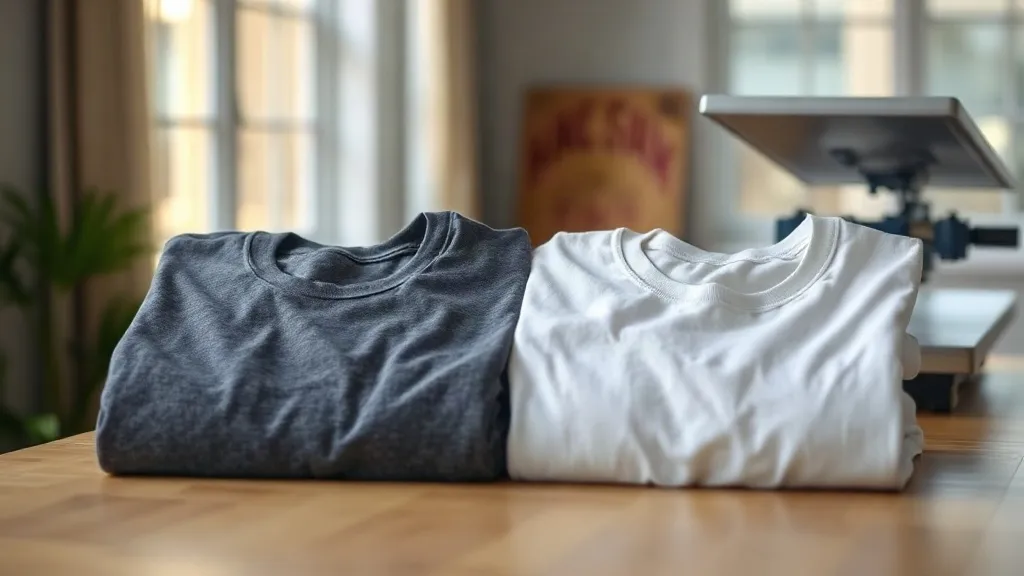
Choosing the right blank for DTF printing can make or break a custom apparel line. Two names keep coming up in print shops and small brand circles: shaka wear and smart blanks. Both promise quality, but they serve different needs. This guide breaks down how each performs under a heat press, how they fit real bodies, and where each one makes sense for your budget and brand identity.
Why the Blank Matters More Than the Print
You can have the crispest DTF transfer in the world, but if the blank shrinks, pills, or has a tight weave that fights adhesion, the final product disappoints. The blank is the foundation. It determines drape, durability, and how the print looks after ten washes. Printers who ignore blank selection often end up with returns, bad reviews, and wasted transfer sheets.
Both shaka wear and smart blanks have earned loyal followings, but they approach the market from different angles. Understanding those angles helps you match the blank to the project instead of forcing one option onto every order.
Fabric and Hand Feel: What You Notice First
The first thing customers do is touch the garment. Fabric hand feel drives perception of quality before they even see the print.
Shaka Wear: Dense, Structured, Streetwear-Ready
Shaka wear blanks tend to run heavier. Their cotton tees often land in the 5.5 to 6.5 oz range, with a tight knit that feels substantial in hand. That weight gives the garment a structured drape, which works well for oversized fits and boxy streetwear silhouettes. The surface is smooth, which helps DTF transfers sit flat and bond evenly.
One thing to note: heavier cotton can take a bit more press time to fully cure the adhesive. In our shop, we added about five seconds to our usual cycle for Shaka tees and saw better wash durability. It is a small adjustment that pays off.
Smart Blanks: Soft, Light, Everyday Comfort
Smart blanks lean toward lighter weights, often in the 4.2 to 5 oz range. The fabric feels softer out of the bag, with a more relaxed hand that suits retail-style basics and promotional wear. The lighter weight also means faster heat-up under the press, so DTF application is quick and consistent.
Because the fabric is lighter, print detail can appear slightly softer on Smart Blanks compared to the crisper edge you get on heavier Shaka cotton. For bold graphics this is rarely an issue, but for fine line work or small text, the heavier Shaka surface holds detail better.
Fit and Sizing: Who Each Blank Flatters
Fit is where brand identity lives. A boxy tee says one thing; a fitted tee says another.
Shaka Wear: Boxy, Oversized, Confident
Shaka wear tees are cut with a wider body and dropped shoulders in many styles. If your brand leans into streetwear, skate culture, or oversized essentials, this cut does a lot of the work for you. The heavier fabric holds its shape after washing, so the oversized look stays intentional rather than collapsing into a shapeless sack.
Sizing tends to run true to size for the intended oversized fit, but customers who want a standard fit should size down. We always include a size chart with chest width and body length measurements on our product pages to reduce guesswork.
Smart Blanks: Classic, Retail-Friendly Fits
Smart blanks offer more traditional cuts. Their tees fit closer to standard retail sizing, with a slightly tapered body and set-in sleeves. This makes them a safe choice for corporate orders, team uniforms, and promotional giveaways where a familiar fit matters more than a fashion statement.
Because the fit is more universal, Smart Blanks reduce the risk of size-related returns in bulk orders. If you are printing 200 shirts for a company event, that predictability is worth a lot.
DTF Performance: Adhesion, Stretch, and Wash Durability
DTF transfers need a smooth, stable surface to bond properly. Both blanks deliver that, but with different quirks.
Shaka Wear Under the Press
The tight weave of shaka wear cotton means the adhesive has fewer fibers to penetrate, which can lead to excellent peel strength when pressed correctly. We recommend a firm pressure setting and a slightly longer dwell time to ensure the powder adhesive fully melts into the fabric. Once cured, prints on Shaka tees survive repeated washing with minimal fading.
One caveat: the heavier fabric can show press marks if you use too much heat. Keep your platen temperature consistent and use a Teflon sheet or pressing pillow to distribute pressure evenly.
Smart Blanks Under the Press
Smart blanks heat up fast, which speeds up production. The lighter fabric also stretches more, so you need to be careful when peeling the transfer. A cold peel is safer on Smart Blanks to avoid stretching the print. Wash durability is solid, though the softer fabric may show slight cracking on large solid prints over time if the transfer is not properly cured.
For multi-color designs with fine details, we found that Smart Blanks require a bit more attention to pressure consistency. A slightly softer platen pad helps even out the press across the garment.
Pricing and Value: Where Each Blank Fits Your Budget
Blank cost directly affects your margin. Both brands sit in the affordable-to-mid range, but the value equation differs.
- Shaka wear typically costs a bit more per unit due to the heavier fabric and streetwear positioning. The higher price is justified if your brand sells at a premium and the blank's weight supports that story.
- Smart blanks offer a lower entry price, making them attractive for high-volume orders, promotional work, and brands testing new designs without committing to expensive blanks.
Neither blank is expensive in absolute terms. The real cost is in reprints and returns. A slightly cheaper blank that fits poorly or fades fast will cost more in the long run than a slightly pricier blank that keeps customers happy.
Which Blank Should You Choose?
The answer depends on your brand and your customer.
Go with Shaka Wear if:
- You are building a streetwear or oversized-focused brand.
- Your designs rely on bold, large graphics that benefit from a structured surface.
- You want a blank that feels premium in hand and holds its shape.
- Your customers expect a boxy, fashion-forward fit.
Go with Smart Blanks if:
- You need a reliable, classic fit for corporate or promotional orders.
- You are printing high volumes and want to keep costs controlled.
- Your designs are simple or text-based and do not demand ultra-fine detail.
- You want faster press times and easier handling on lighter fabric.
Many print shops keep both on hand. Having shaka wear for premium drops and smart blanks for everyday orders gives you flexibility without overcommitting to one supplier.
Practical Tips for Printing on Both Blanks
Regardless of which blank you choose, a few habits improve results across the board.
- Pre-press the garment for 5 to 7 seconds to remove moisture. This step alone reduces adhesion failures significantly.
- Use a heat gun or infrared thermometer to verify platen temperature. Dial settings lie; thermometers do not.
- Store DTF transfers flat and dry. Moisture in the film causes patchy adhesion.
- Test wash a sample from every new batch of blanks. Fabric finishes can vary between production runs.
- Keep a log of press settings for each blank type. Consistency is easier when you write it down.
Frequently Asked Questions
Does DTF printing work better on Shaka Wear or Smart Blanks?
Both work well. Shaka Wear's heavier, tighter fabric holds fine detail slightly better, while Smart Blanks heat faster and suit high-volume simple designs. The best choice depends on your design complexity and production speed needs.
Do Shaka Wear blanks shrink after washing?
Shaka Wear tees are typically pre-shrunk, but some shrinkage (around 3 to 5 percent) can occur with heavy cotton. Washing cold and tumble drying low helps minimize it. Always check the care label and test a sample if shrinkage is a concern for your order.
Can I use Smart Blanks for oversized streetwear fits?
Smart Blanks offer more classic fits, so they may not deliver the boxy, oversized look that streetwear brands often want. You can size up for a looser fit, but the drape will differ from a blank designed for oversized cuts.
Which blank is more cost-effective for large orders?
Smart Blanks generally have a lower per-unit cost, making them more cost-effective for large promotional or corporate orders. Shaka Wear's higher price is offset by its premium feel and suitability for higher-margin retail products.
How do I prevent cracking on DTF prints after washing?
Proper curing is key. Ensure the adhesive powder is fully melted and the transfer is pressed with consistent pressure. Wash garments inside out in cold water and avoid high-heat drying. Testing a sample wash before fulfilling a large order can catch issues early.